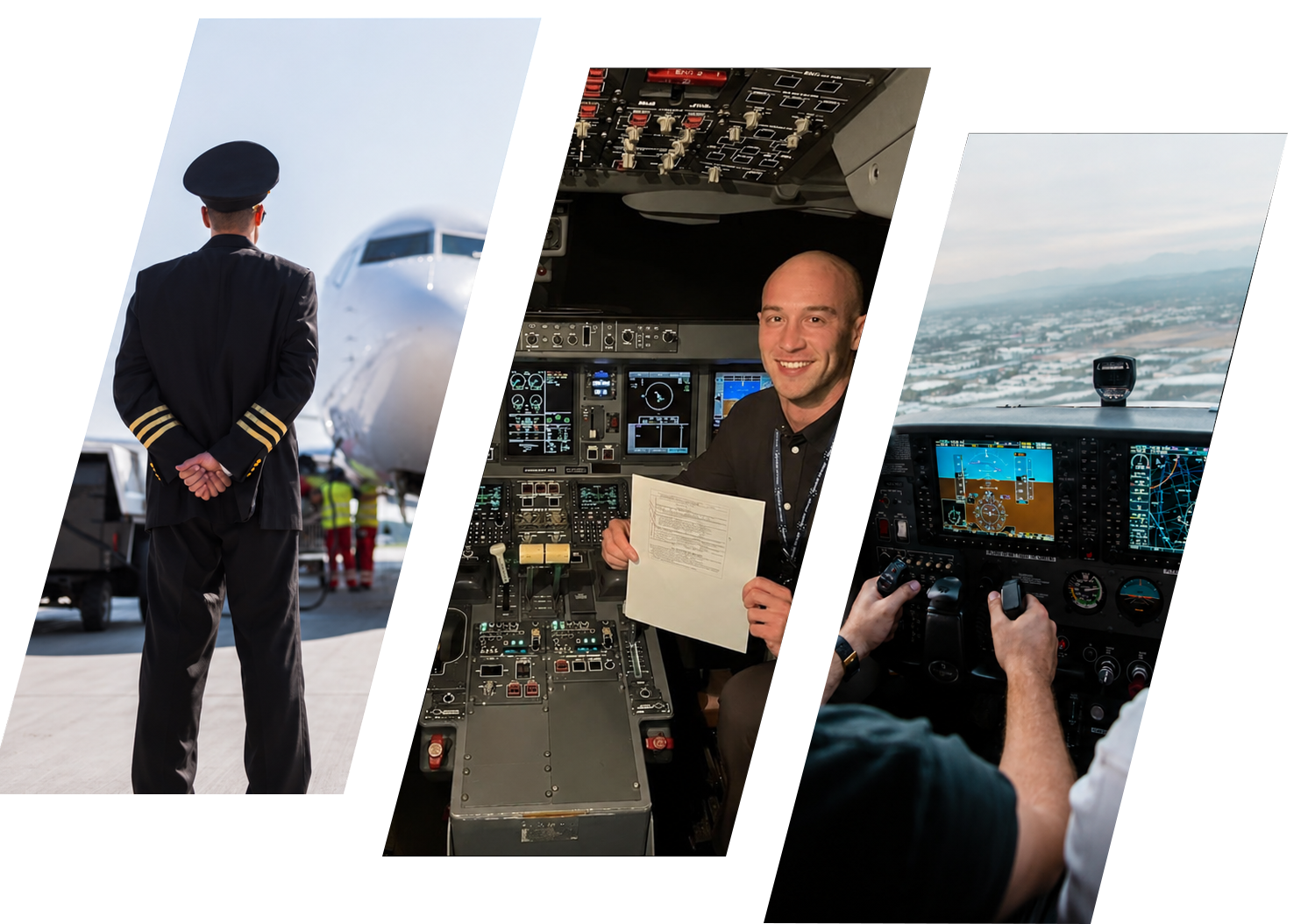

Flex Air Pilot Pathway: Airline Pilot Career Academy
Flexible Training, Professional Mentorship, Advanced Training
Our program delivers every certification and rating you need to get hired as a professional pilot. You’ll also receive 36 months of career mentorship on how to network, interview, and present yourself at hiring events, plus help building a top‑notch resume designed to get you hired twice: First as a CFI, and later as an ATP‑qualified pilot. Flex Air gives you everything you need to launch your first career as a pilot or switch from another career into aviation.
Our optional advanced training programs offer airline-style ATP-CTP and ATP AMEL training in B737 flight simulators and King Air aircraft, helping our pilots be the most competitive candidates in the airline job market.
Flex Scheduling: We build your training around your life.

100% Career Placement
Your program includes unlimited job placement, resume prep, interview coaching, and networking services until you're hired. 100% means every graduating alumni has been hired since program launch in 2018, and that we share 100% of our outcomes data with loan providers, state, and federal agencies. Want to see our data? Just ask.
ENROLL NOW MEET WITH A MENTOR
STEP 1
PPL: Private Pilot License
(Min 2 Months)
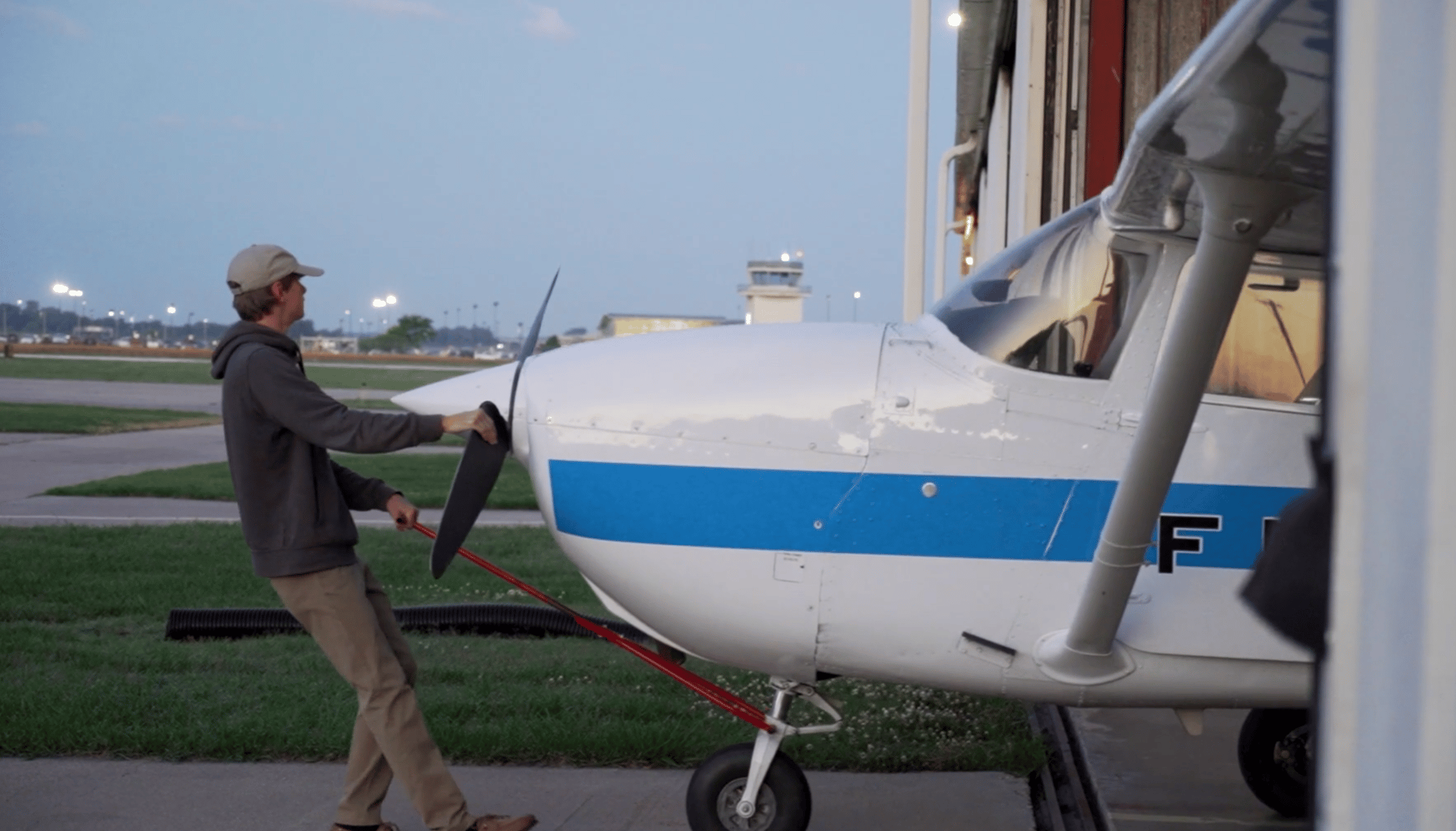
The first step is to earn your private pilot certificate, commonly called a private pilot license (PPL). A PPL allows you to act as the pilot in command of an aircraft and to fly solo recreationally under VFR (Visual Flight Rules). It is a prerequisite to all other flight training.
STEP 2
IR: Instrument Rating
Min. 2 Months
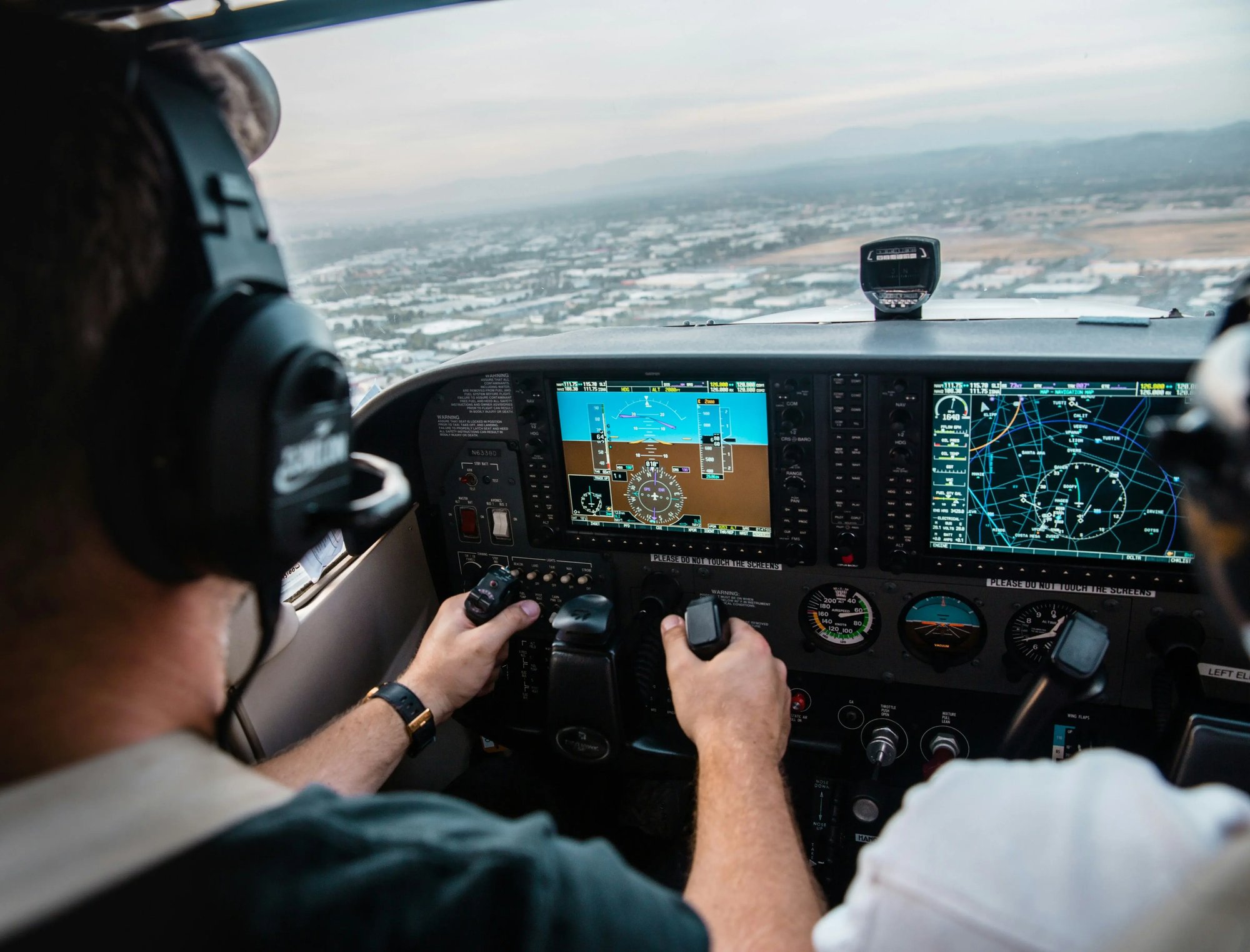
The next step is to earn an instrument rating that allows you to fly under Instrument Flight Rules (IFR) and in all kinds of weather.
STEP 3
CP: Commercial Pilot
Min. 2 Months
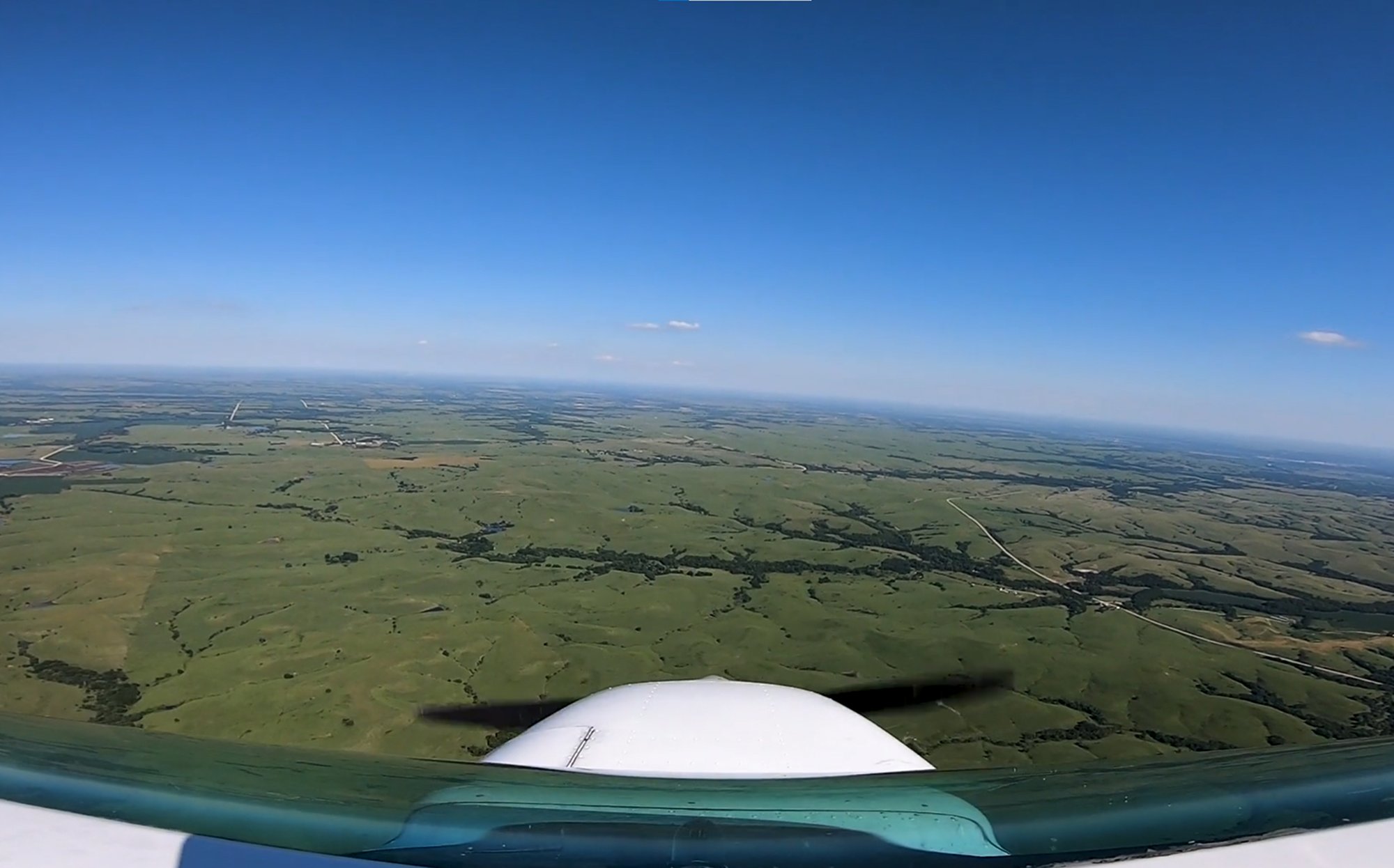
With Flex Air, we’ll help you meet specific experience requirements to earn a Commercial Pilot certificate flying a Single Engine Land aircraft (CPASEL). This allows you to fly and get paid legally.
STEP 4
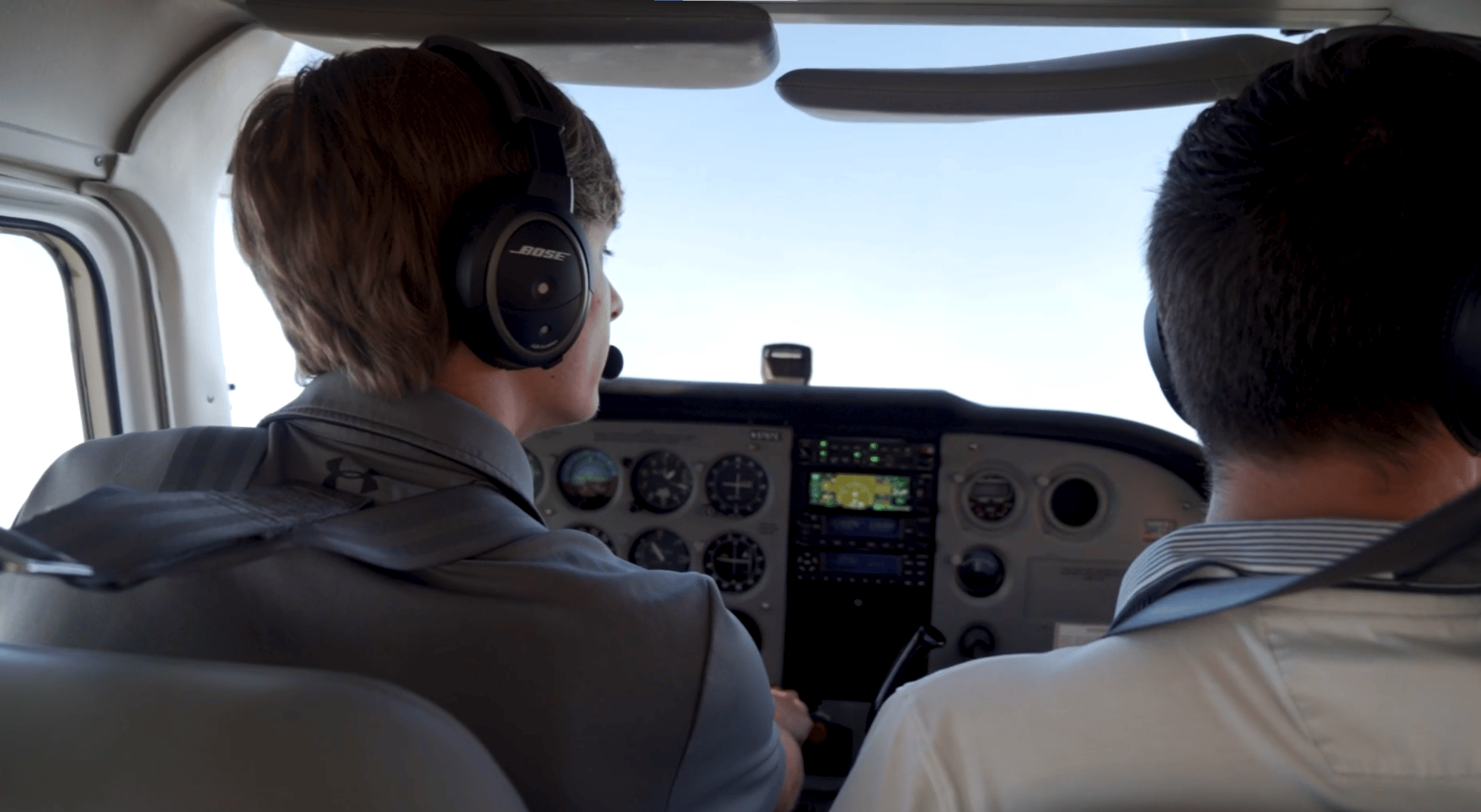
CFI: Certificated Flight Instructor
Min 3 Weeks
Start earning a living by becoming a Certificated Flight Instructor. This step helps you obtain a Flight Instructor certificate and the flight experience required by airlines.
STEP 5
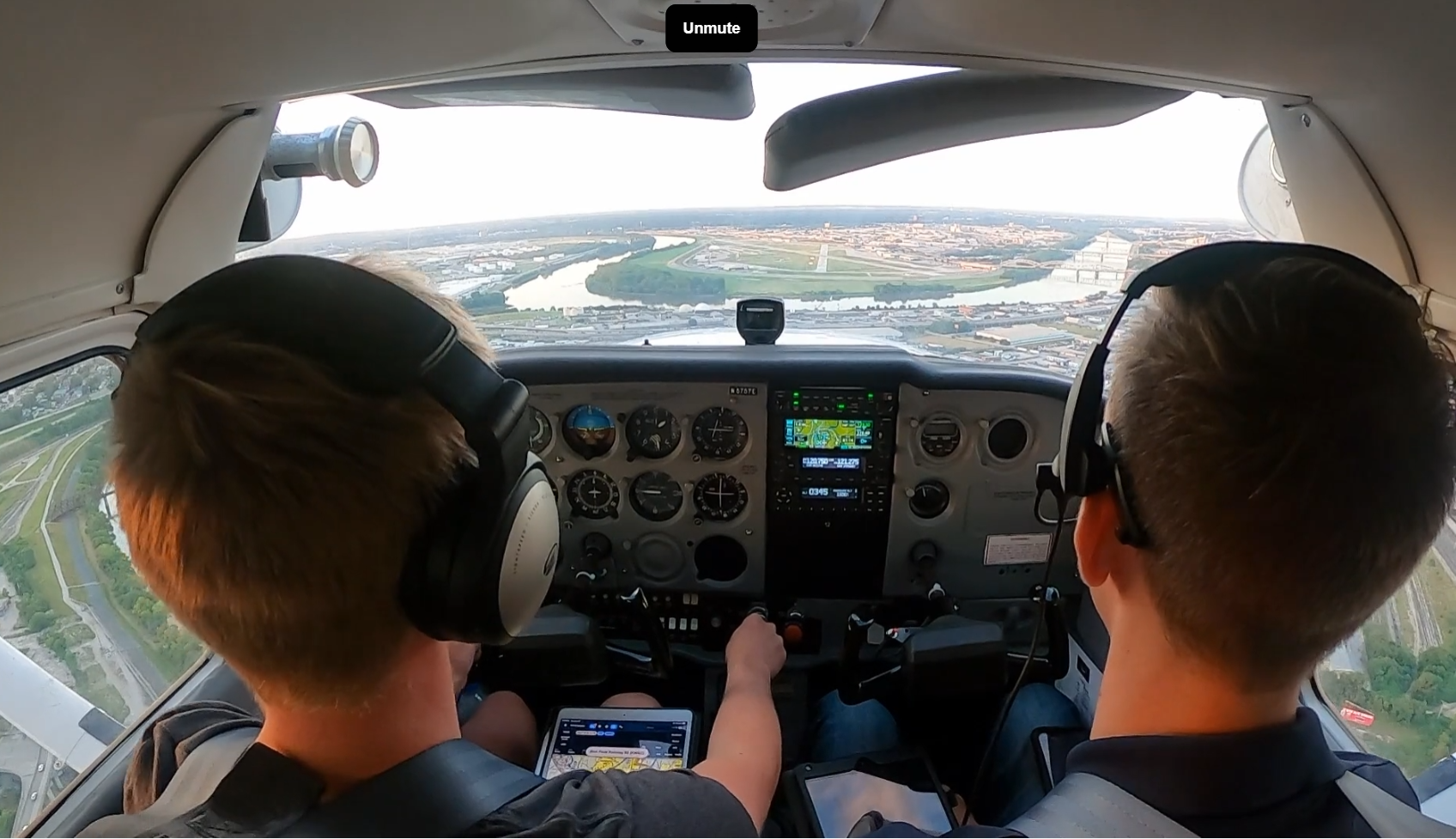
CFI-I: CFI Instrument
Min 2 Weeks
This advanced flight instructor certificate allows you to deliver Instrument Rating (IR) training.
STEP 6
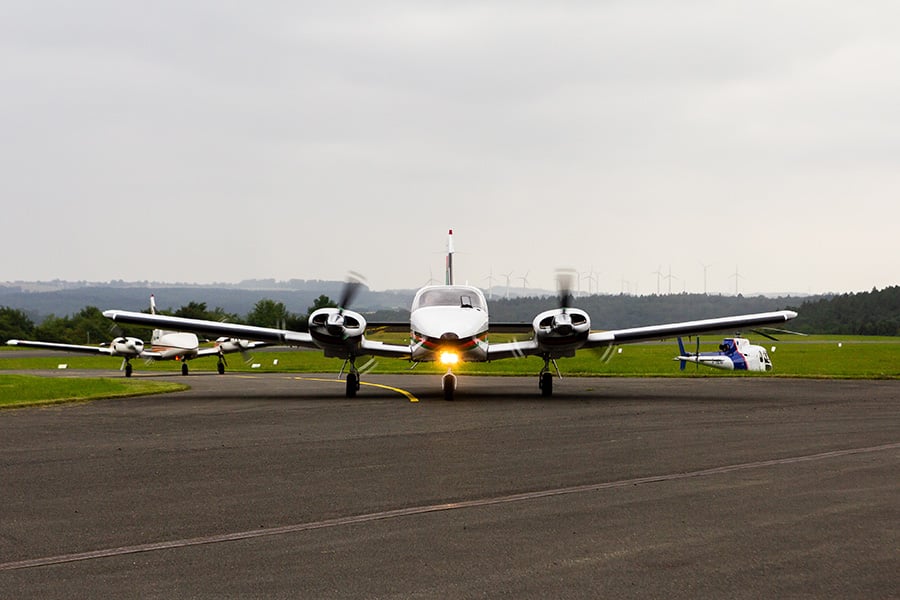
CPAMEL: Multi-Engine
Min. 3 Weeks
Adding a Multi-Engine rating to your Commercial Pilot certificate allows you to fly large passenger airlines.
STEP 7
Employment as a CFI
12-24 months
In Flex Air's Pilot Pathway program, you'll be offered a CFI job at Flex Air, or be provided with unlimited job placement, career coaching, interview prep, and networking services to land an instructor or commercial pilot job according to your preferences.
STEP 8
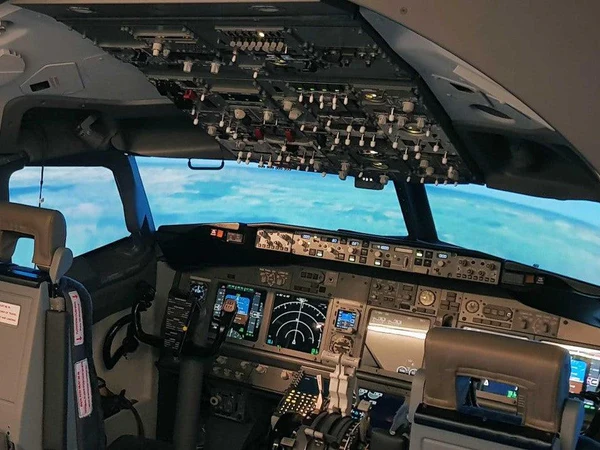
ATP-CTP: ATP Certification Training Program
1 Week
This pre-requisite for ATP delivers accelerated ground and simulator training in a fast-paced airline-style environment. Often this training is delivered by a hiring airline. To make our candidates more competitive, Flex Air offers this optional program through our industry partners.
STEP 9
ATP: Airline Transport Pilot Certificate AMEL
Min. 1 week
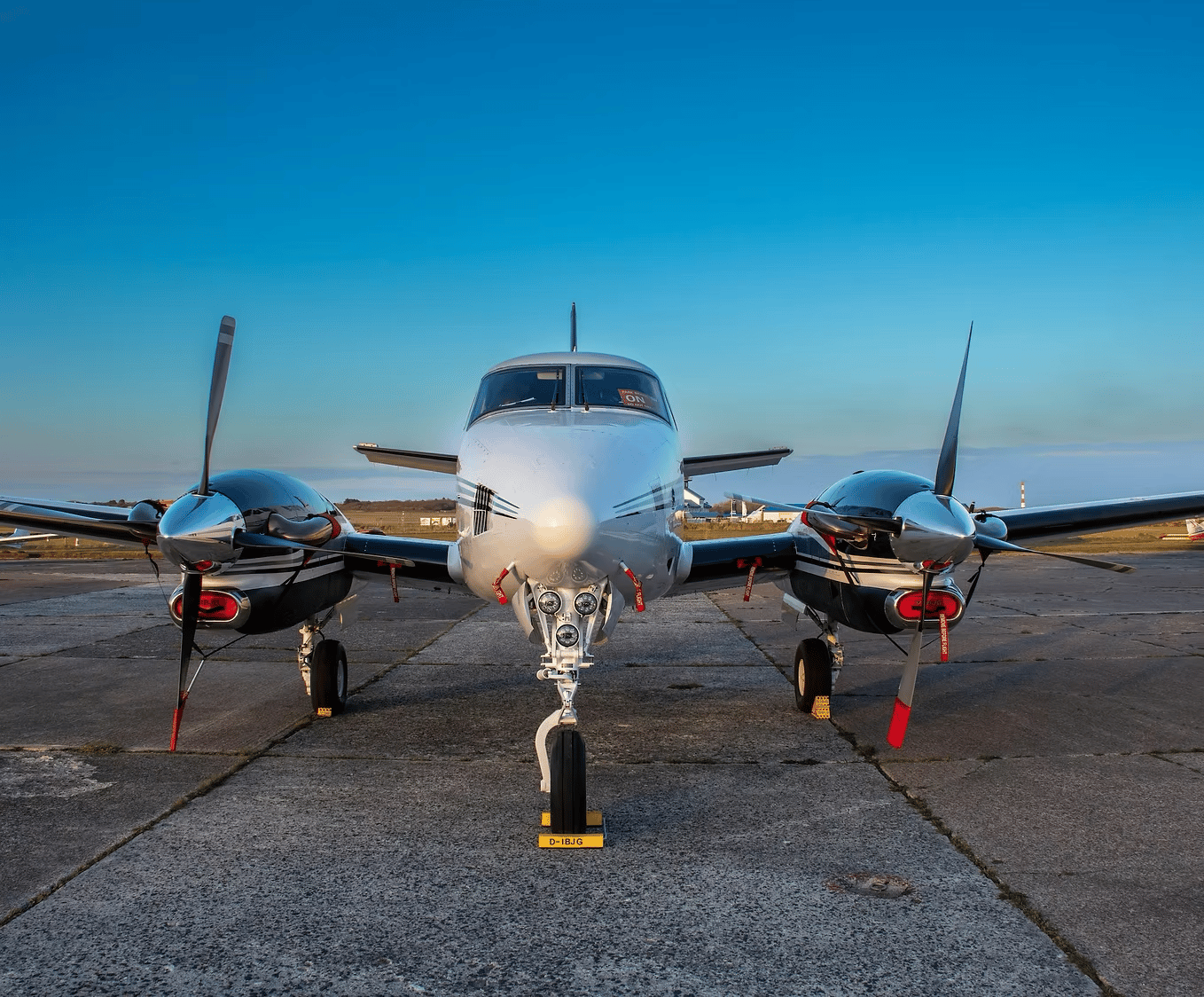
An airline transport pilot certificate (ATP) is the highest level of aircraft pilot certification. To earn an Air Transport Pilot (ATP) you need to have 1,000 - 1,500 hours of civilian flight time, or 750 hours for military transitions. Often this training is delivered by a hiring airline. To make our candidates more competitive, Flex Air offers an optional King Air turbine ATP program through our industry partners.
MYF Airport
San Diego
More mild than AZ, fewer storms than FL. Best flying weather in the U.S, with housing options 2 min. from the airport.
MHK Airport
Manhattan KS
Low cost training and housing options at a major regional airport in a great college town near K-State.
OJC Airport
Kansas City
World-class art, culture, city and suburban living in a bustling charter and business aviation job market.
Flexibility. Speed. Personalized Mentorship.
Better than the Big Schools
Become a Pilot: Questions about becoming an airline and commercial pilot
To become an airline pilot, you need to undergo pilot training at a flight school like Flex Air and obtain a commercial pilot certificate, gain flight hours, and meet specific requirements set by the airline where you want to work.
The requirements to become an airline pilot include obtaining a commercial pilot certificate, completing flight training, accumulating 1500 flight hours, passing medical examinations, and meeting age and education criteria.
You can start a pilot career by enrolling in a flight school, completing the necessary training, obtaining pilot certificates such as private pilot certificate, and then working towards becoming a commercial airline pilot.
The average salary for airline pilots in the United States, according to the most recent Occupational Outlook Handbook from May 2022, is as follows:
- The average annual salary for commercial pilots is $103,910.
- The median annual wage for airline pilots, copilots, and flight engineers is $211,790.
The salary of airline pilots vary based on factors such as experience, type of airline, and position within the company. For a much more detailed look at pilot earnings see our Airline Pilot Salary guide.
An airline transport pilot (ATP) certificate is crucial for pilots aspiring to fly for airlines. This certificate demonstrates that a pilot has met the highest level of certification, allowing them to serve as the captain or first officer on commercial flights.
A commercial pilot can fly for compensation or hire, while an airline pilot specifically works for an airline operating commercial flights with larger aircraft.
-
Commercial Pilot: A commercial pilot license (CPL) allows an individual to be compensated for flying. This certification enables pilots to perform a variety of operations such as cargo flights, aerial surveying, flight instruction, and agricultural spraying, among others. However, a CPL does not automatically qualify a pilot to fly for airlines, which typically require the more advanced Airline Transport Pilot (ATP) certification.
-
Airline Pilot: An airline pilot typically holds an Airline Transport Pilot (ATP) license, which is the highest level of pilot certification. ATPs are authorized to act as Pilot in Command on scheduled air carriers' flights, meaning large, passenger-carrying airlines. This certification requires more extensive flight experience and training, focusing on the operation of large aircraft under stringent regulations typical of major airlines.
Airline pilots have promising career prospects, especially with the current pilot shortage in the industry. With the right qualifications and experience, aspiring pilots can secure positions with major airlines and advance to become captains.
The pilot shortage in the aviation industry has led to increased demand for qualified pilots, offering opportunities for aspiring pilots to secure jobs as airline pilots. Airlines are implementing initiatives to attract and retain pilots to address the shortage and ensure safe and efficient flight operations.
Military pilots transitioning to commercial aviation can leverage their experience to meet FAA requirements, with pathways varying depending on whether they are rotary-wing (helicopter) or fixed-wing pilots. All candidates must obtain an FAA Medical Certificate and verify military flight experience. Military pilots need to pass the FAA's knowledge and practical tests, but may qualify for exemptions based on military tests and experience, including a reduction in total flight hours for the Airline Transport Pilot (ATP) certificate.
Rotary-wing pilots, while possessing valuable flight experience, face additional steps to transition to fixed-wing commercial aviation. Flex Air offers a Rotor Transition Program specifically for military and civilian helicopter pilots.